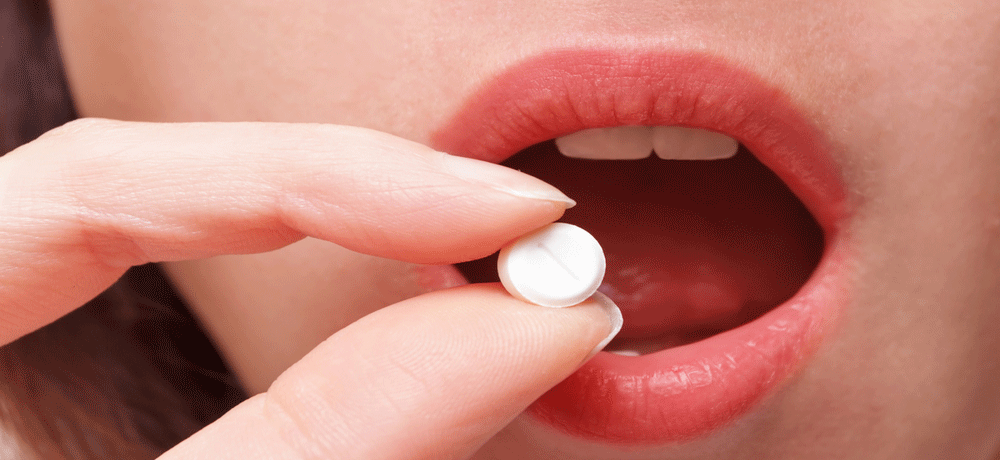
Understanding the connection between oral health and medications is vital for maintaining overall well-being. Medications, while addressing various health issues, can have significant impacts on oral health. Certain drugs may lead to dry mouth, increasing the risk of dental problems. Others might be linked to gum disease, tooth decay, and erosion. Additionally, some medications can cause taste alterations, affecting the way we experience flavors. It's essential to manage oral health effectively while taking medications, and regular dental check-ups become even more critical for those on medication. Keeping healthcare providers informed about oral health concerns is crucial for a comprehensive approach to overall health and wellness.
Delving into the multifaceted realm of common medications that affect oral health reveals a tapestry of complexities. The implications of these drugs on our oral well-being can vary significantly. Some medications may lead to dry mouth, increasing the risk of dental problems, while others might be linked to gum disease, tooth decay, and erosion. These diverse effects underscore the importance of proactive oral health management during medical treatments. Regular dental check-ups become crucial for individuals taking medications to monitor and address potential oral health issues. Embracing guidance from reputable sources can further bolster the endeavor to maintain oral health throughout the medication journey, ensuring a holistic approach to overall well-being.
When considering the impact of medications on oral health, it becomes evident that certain drugs can have diverse effects on our well-being. As mentioned earlier, some medications may lead to dry mouth, heightening the risk of dental issues, while others can be associated with gum disease, tooth decay, and erosion. These concerns necessitate a proactive approach to managing oral health while undergoing medical treatments. Regular dental check-ups are crucial, especially for individuals taking medications, to monitor and address any potential oral health issues. Moreover, seeking guidance from reputable sources, such as Grin Dentistry, can provide valuable insights and support in maintaining oral health throughout the medication journey.
As we explore the impact of medications on dry mouth and its implications, we uncover a complex web of factors to consider. Numerous common medications have the potential to cause dry mouth, leading to discomfort and potential oral health issues. Understanding the physiological mechanisms behind medication-induced dry mouth can shed light on the best strategies for managing this side effect while on medications. The link between dry mouth and an increased risk of dental issues highlights the importance of seeking professional dental advice for individuals experiencing dry mouth concerns. Exploring saliva-stimulating remedies offers potential relief for those affected. Additionally, ongoing research and developments in managing medication-induced dry mouth present promising prospects for future solutions. Ultimately, preventive measures play a crucial role in protecting oral health while utilizing medications effectively.
Understanding the intricate link between medications and gum disease unveils a fascinating tapestry of potential factors. Various medications have been found to influence gum health, with some contributing to an increased risk of gum disease. The mechanisms through which medications impact the gums can be multifaceted, warranting a comprehensive examination. While certain drugs may lead to gum inflammation and sensitivity, others might affect the body's immune response to oral bacteria, exacerbating gum disease. This intricate interplay between medications and gum health emphasizes the importance of proactive oral care and regular dental check-ups, particularly for individuals on long-term medication regimens.
When delving into the impact of medications on tooth decay and erosion, a multifaceted narrative emerges, highlighting the complexities of this relationship. Certain medications have been associated with dental side effects, including an increased risk of tooth decay and erosion. The mechanisms behind these effects can vary, and understanding the specific interactions between medications and oral health is crucial. Some drugs may lead to dry mouth, altering the oral environment and promoting bacterial growth, while others might cause enamel erosion due to their acidic nature. This intricate interplay between medications and dental health emphasizes the need for proactive oral care and regular dental check-ups to mitigate potential risks and maintain optimal oral well-being.
How do medications affect oral health? |
|
|---|---|
| Topic | Impact on Oral Health |
| Dry Mouth | Some medications can lead to dry mouth, reducing saliva production and increasing the risk of dental issues such as tooth decay and gum disease. |
| Taste Alterations | Certain drugs can cause taste alterations, affecting the way we experience flavors and potentially influencing dietary choices and oral hygiene habits. |
| Gum Disease | Medications may be linked to gum disease, as some drugs can impact the body's immune response to oral bacteria, contributing to gum inflammation and sensitivity. |
| Tooth Decay and Erosion | Specific medications may increase the risk of tooth decay and erosion, either through dry mouth leading to a favorable environment for bacteria or due to the acidic nature of certain drugs. |
| Oral Hygiene Tips | Learn practical strategies for managing oral health while taking medications, and the importance of seeking professional dental advice for any concerns. |
The fascinating realm of taste alterations unravels when exploring the influence of medications on our sensory experiences. Certain drugs have been found to play a significant role in causing changes in taste perception. The complexities lie in the varying mechanisms through which medications affect our taste buds, leading to altered flavor perceptions. Understanding the interplay between drugs and taste alterations can shed light on the potential impact on dietary choices and overall well-being. Exploring the diverse ways in which medications influence our sense of taste showcases the need for comprehensive research and insights to address this intriguing phenomenon.
When it comes to managing oral health while on medications, a myriad of tips and best practices can ensure comprehensive care. The complexities lie in understanding how specific drugs may impact oral well-being and tailoring strategies accordingly. Regular dental check-ups play a crucial role in monitoring any potential side effects on oral health. Maintaining diligent oral hygiene practices, including brushing, flossing, and rinsing, helps mitigate the risk of dental issues. Staying hydrated can combat dry mouth, a common side effect of certain medications. Additionally, seeking professional dental advice and communicating openly with healthcare providers about any oral health concerns can lead to a proactive approach in optimizing oral health while undergoing medical treatments.
When it comes to maintaining optimal oral health, effective communication with healthcare providers plays a pivotal role. Engaging in meaningful conversations about oral health concerns can lead to better understanding and tailored approaches to address individual needs. Clearly expressing any issues or discomfort related to medications and their impact on oral health allows healthcare providers to provide appropriate guidance and support. Sharing comprehensive information about current medications and their potential side effects on oral health enables healthcare professionals to make informed decisions. Embracing open communication fosters a collaborative approach to overall well-being, ensuring that oral health remains a priority throughout medical treatments.
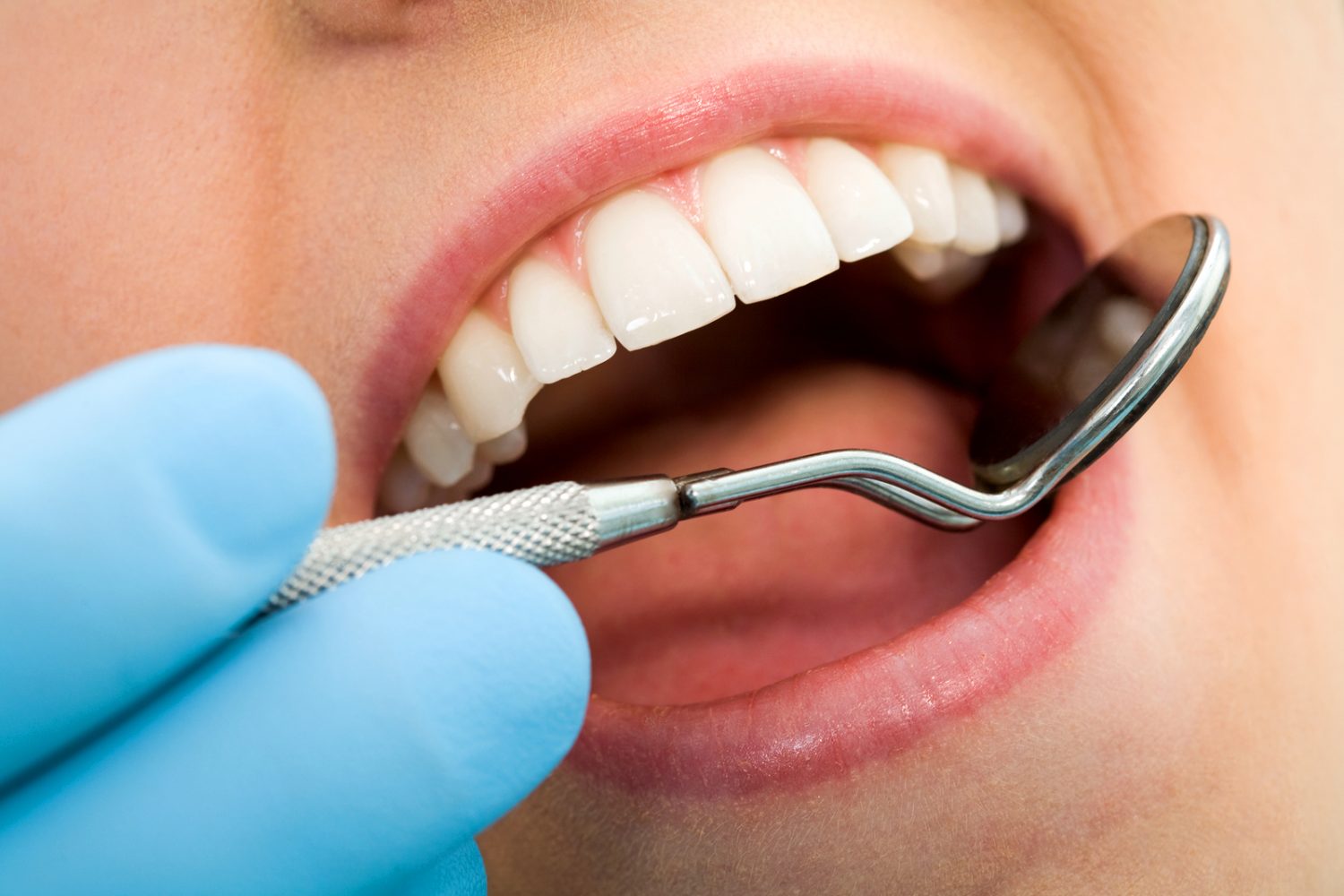
Amidst the intricate landscape of oral health and medications, the significance of regular dental check-ups for medication users becomes abundantly clear. These check-ups serve as crucial opportunities to monitor and safeguard oral well-being while undergoing medical treatments. Comprehensive dental assessments can detect any potential side effects of medications on oral health early on, allowing for timely interventions. Regular visits to the dentist enable personalized care, tailoring oral hygiene practices to mitigate medication-induced risks. Embracing the importance of regular dental check-ups underscores a proactive approach to overall health, ensuring that oral well-being remains a cornerstone of well-rounded medical care.
The horizon of medications and oral health is adorned with the promise of innovative research and developments, inviting curiosity and anticipation. As scientists and healthcare professionals strive to unravel the intricate interplay between medications and oral well-being, new avenues for understanding and managing potential side effects emerge. Future research endeavors seek to explore the nuances of specific drugs' impacts on oral health, offering a more comprehensive understanding of the mechanisms at play. Cutting-edge developments may pave the way for targeted therapies to mitigate medication-induced dental issues, empowering patients with tailored solutions. Embracing a vision of improved oral health outcomes, ongoing advancements in this field hold the potential to enhance the overall well-being of medication users, marking an exciting journey of progress and discovery.
Yes, certain medications can cause dry mouth, reducing saliva production and increasing the risk of dental problems such as tooth decay and gum disease.
Indeed, certain drugs may lead to taste alterations, affecting how we experience flavors and potentially influencing dietary choices and oral hygiene habits.
Yes, some medications have been linked to an increased risk of gum disease, as they can impact the body's immune response to oral bacteria.
Managing oral health while on medications involves practicing diligent oral hygiene, staying hydrated, and scheduling regular dental check-ups to monitor any potential side effects.